
Reform of America’s criminal justice system is a major talking point on the left. This is for a good reason: public confidence in the criminal justice system, pollsters say, has been on the decline for decades. Differences in how police, courts and the system are looked at have been most significant when looking at black […]
Subscribe: Posts | Comments

6. June 2013
The Democracy Project: A History, a Crisis, a Movement by David Graeber
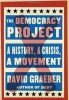
In keeping with the grand tradition of the Occupy movement(s), and the manner in which David Graeber captures this same spirit in , I would like to begin this review by, first and foremost, delegitimizing the predominate, oppressive arguments about the book that seem to permeate pre-existing reviews. That is, as exemplified by John Kamphner’s […]
9. April 2013
Eyes To The South French Anarchists and Algeria by David Porter and Decolonizing Anarchism by Maia Ramnath

Is Anarchism viable or relevant in relation to a nationalist struggle, to the outgunned battling under a colonial rule? Through the filter of Anarchism, by definition alone, nationalist resistance could be deemed anathema to the very core principals of libertarianism. David Porter and Maia Ramnath offer two perspectives on how the anarchist relates to, critiques, […]
2. April 2013
Spray Paint the Walls: The Story of Black Flag

The attempt to placate unruly youth inevitably molders into attempts to oppress unruly youth. Southern California in the late ’70s was all soft rock, cowboy fashion, and an extreme distaste for any blemishes in the sprawling whitewashed suburbs beyond Los Angeles. Hardcore punk was a perfectly placed kick to the teeth of all the authoritarian […]
31. December 2012
Nuclear Roulette: The Truth About the Most Dangerous Energy Source on Earth
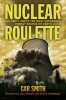
Nuclear energy seems like a really great option when you think about the problems and protests happening due to fracking, coal and domestic offshore oil drilling. Just the filth created by fracking and the planned dredging up of Alaska’s natural resources for petroleum could seem like plenty of reasons to look at nuclear energy. On […]
24. December 2012
In Case You Missed It: Asia’s Unknown Uprisings,Volumes 1 and 2
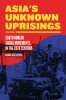
A pair of books that came out earlier this year and are worthy of your time for coverage of often forgotten struggles are Asia’s Unknown Uprisings Volume 1: South Korean Social Movements in the 20th Century and Asia’s Unknown Uprisings Volume 2: People Power in the Philippines, Burma, Tibet, China, Taiwan, Bangladesh, Nepal, Thailand and […]
17. December 2012
Dreaming in Public: Building the Occupy Movement
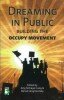
Occupy Wall Street and the regional movements that arose in its wake have been the subject of many books. Dreaming in Public: Building the Occupy Movement by Amy Lang and Daniel Lang/Levitsky (New Internationalist, 2012) seeks to tell Occupy’s story not unlike other works: by collecting mostly pre-published statements, speeches and writings along with a […]
10. December 2012
In Case You Missed It: Black Internationalist Feminism

Released in 2011 to some attention, but not nearly enough, Cheryl Higashida’s Black Internationalist Feminism: Women Writers of the Black Left, 1945-1995 is one of those rare books you can’t mention enough. The University of Colorado at Boulder professor transverses various historical moments, while talking about the culture and politics that influenced important writers and […]
26. August 2013